


Tax management is one of the most crucial aspects of financial planning for Canadians, affecting everything from your take-home income to your long-term wealth accumulation. With federal tax rates ranging up to 33% and additional provincial taxes, effective tax planning can save thousands of dollars annually while ensuring compliance with Canada Revenue Agency (CRA) requirements.
Understanding Canada’s Tax Landscape in 2025
The Canadian tax system operates on a graduated structure, meaning higher income levels face progressively higher tax rates. A significant development for 2025 is the reduction of the federal tax rate on the lowest income bracket from 15% to 14%, effective July 1, 2025. This change provides tax relief to 22 million Canadians and can save a two-income family up to $840 annually.
The lowest tax bracket applies to taxable income up to $57,375 for 2025, making this reduction particularly beneficial for middle-class Canadians. However, it’s important to note that the value of most non-refundable tax credits will decrease proportionally with this rate reduction.

Maximizing Registered Account Contributions
RRSP Strategies
Registered Retirement Savings Plans remain one of the most powerful tax planning tools available to Canadians. For 2025, the maximum RRSP contribution is $32,490 or 18% of your previous year’s earned income, whichever is lower. RRSP contributions directly reduce your taxable income dollar-for-dollar, providing immediate tax relief.
The key benefit of RRSPs lies in tax-deferred growth. Your investments grow tax-free within the plan until withdrawal, ideally during retirement when you’re in a lower tax bracket. This strategy becomes particularly valuable for high-income earners who can benefit from the immediate deduction while deferring taxes to a potentially lower-rate future period.
TFSA Optimization
Tax-Free Savings Accounts offer a different but equally valuable tax advantage. The 2025 contribution limit is $7,000, and if you’ve never contributed but were eligible since 2009, your total contribution room could be as high as $102,000. Unlike RRSPs, TFSA contributions aren’t tax-deductible, but all investment growth and withdrawals are completely tax-free.
TFSAs provide unmatched flexibility, allowing you to withdraw funds anytime without tax consequences and recontribute the withdrawn amount in following years. This makes TFSAs ideal for both short-term savings goals and long-term wealth accumulation.
Income Splitting and Family Tax Planning
Income splitting remains a legitimate strategy for reducing overall family tax burden, though recent changes have limited some options. Spousal RRSPs allow higher-income earners to contribute to their lower-income spouse’s RRSP, reducing the family’s overall tax rate when funds are eventually withdrawn.
The three-year attribution rule requires that funds remain in the spousal RRSP for at least three years to avoid having the income attributed back to the contributing spouse. Pension income splitting during retirement allows couples to share up to 50% of eligible pension income, further optimizing their combined tax situation.
Business Expense Deductions for Self-Employed Canadians
Self-employed individuals and business owners have access to numerous legitimate deductions that can significantly reduce taxable income. Common business expense categories include:
Home Office Expenses: If you work from home, you can deduct a percentage of housing costs equal to the percentage of your home used for business. This includes mortgage interest, utilities, property taxes, insurance, and maintenance costs.
Vehicle Expenses: Business-related vehicle costs are deductible based on the percentage of business use. Keep detailed logs recording total kilometers driven and business-specific mileage. Deductible expenses include fuel, insurance, maintenance, and depreciation (Capital Cost Allowance).
Professional Development: Training courses, professional memberships, conferences, and educational materials directly related to your business are fully deductible.
Business Meals and Entertainment: These expenses are 50% deductible when they’re reasonable and directly related to earning business income.
Capital Gains Tax Management
Understanding capital gains taxation is crucial for investment planning. Currently, 50% of capital gains are taxable for individuals, with an important change coming January 1, 2026. At that time, individuals will continue to pay the current rate on the first $250,000 of annual capital gains, but gains exceeding this threshold will be taxed at a 66.67% inclusion rate.
Several strategies can help minimize capital gains tax:
Tax Shelters: Hold investments in RRSPs, TFSAs, or other registered accounts to avoid capital gains tax entirely.
Capital Loss Harvesting: Offset capital gains with capital losses from the same tax year or carry losses forward to future years.
Principal Residence Exemption: Your primary residence remains exempt from capital gains tax, making real estate a tax-efficient investment for many Canadians.
Charitable Donation: Donating appreciated securities directly to charity eliminates capital gains tax while providing donation tax credits.
Small Business Tax Strategies
Incorporated small businesses benefit from Canada’s preferential small business tax rate of 9% federally (plus provincial rates) on the first $500,000 of active business income. This rate provides significant advantages compared to personal tax rates, which can exceed 50% for high earners.
Key business tax strategies include:
Income Deferral: Leave profits in the corporation to defer personal taxes until funds are withdrawn as salary or dividends.
Salary vs. Dividend Optimization: Balance salary (which creates RRSP room and CPP benefits) with dividend payments to minimize overall tax burden.
Capital Cost Allowance: Accelerated depreciation rules allow businesses to write off eligible assets more quickly, including enhanced rates for clean energy equipment and manufacturing machinery.
Estate Planning and Tax Implications
Estate planning involves significant tax considerations since Canada treats death as a deemed disposition of all capital assets at fair market value. This can trigger substantial capital gains tax unless proper planning strategies are implemented.
Effective estate tax planning strategies include:
Spousal Rollover: Assets transferred to a surviving spouse can defer capital gains tax until the spouse’s death.
Life Insurance: Tax-free insurance proceeds can provide liquidity to pay estate taxes without forcing asset sales.
Trust Structures: Various trust arrangements can help defer or minimize estate taxes while providing income to beneficiaries.
Charitable Bequests: Leaving assets to registered charities can provide significant tax credits to offset estate taxes.
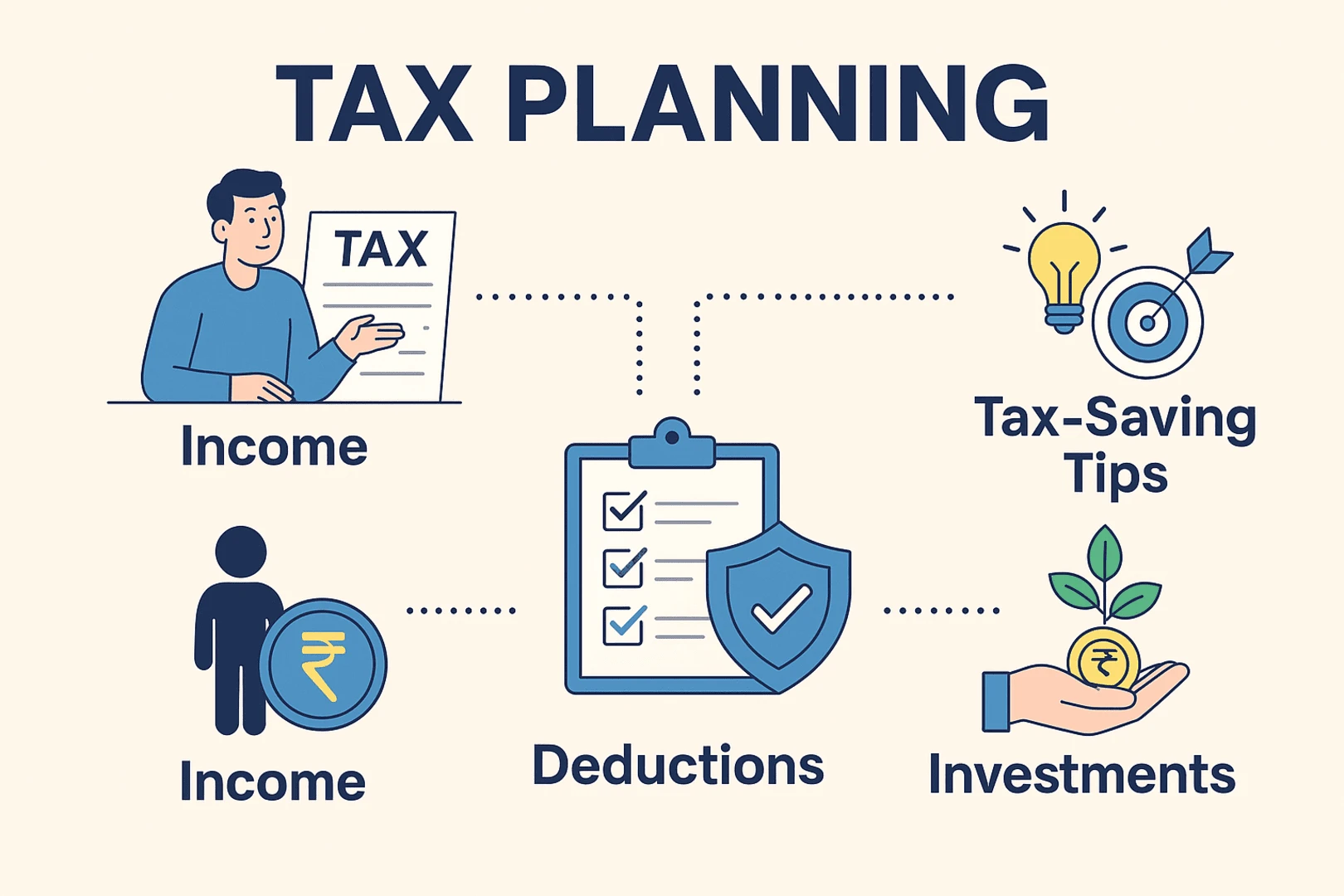
Tax Credits and Deduction Maximization
Canada offers numerous tax credits and deductions that many taxpayers overlook:
Medical Expenses: Eligible medical expenses exceeding 3% of net income or $2,635 (whichever is less) can be claimed.
Charitable Donations: Donations provide federal tax credits of 15% on the first $200 and 29% on amounts exceeding $200.
Childcare Expenses: Working parents can deduct childcare costs up to prescribed annual limits.
Tuition and Education Credits: Post-secondary education expenses provide valuable tax credits that can be transferred to parents or carried forward.
Professional Development and Continuing Education Deductions
Investing in professional development often provides both immediate tax benefits and long-term income potential. Eligible education expenses include:
- Professional certification programs
- Industry conferences and seminars
- Business-related courses and training
- Professional association memberships
- Educational materials and resources
These investments in your career development are typically fully deductible for business owners and self-employed individuals, making them cost-effective ways to enhance earning potential while reducing current tax liability.
Year-End Tax Planning Strategies
Effective tax planning requires proactive year-end strategies to optimize your tax position:
Accelerate Deductions: Purchase necessary business equipment, pay professional fees, or make charitable donations before year-end to claim current-year deductions.
Defer Income: If possible, delay receiving income until the following tax year to spread tax liability across multiple years.
Maximize Contributions: Make RRSP and TFSA contributions early in the year to maximize tax-free growth periods.
Review Investment Portfolio: Realize capital losses to offset gains and rebalance portfolios for tax efficiency.
Digital Economy and Modern Tax Considerations
The evolving digital economy has introduced new tax compliance requirements for Canadian businesses:
E-commerce Tax Rules: Online businesses must charge and remit GST/HST on Canadian sales, even for foreign-based companies.
Cryptocurrency Taxation: The CRA has implemented stricter reporting requirements for businesses involved in cryptocurrency transactions.
Digital Expense Tracking: Modern accounting software and expense tracking apps help ensure accurate record-keeping for maximum deduction claims.
Common Tax Planning Mistakes to Avoid
Understanding common errors helps prevent costly mistakes:
Inadequate Record Keeping: The CRA requires supporting documentation for all claimed deductions. Maintain organized records for at least six years.
Mixing Personal and Business Expenses: Only the business portion of mixed-use expenses can be deducted.
Missing Deadlines: Different entities have various filing deadlines. Self-employed individuals have until June 15 to file returns, while corporations must file within six months of their fiscal year-end.
Over-contributing to Registered Accounts: Exceeding contribution limits results in penalties that can be avoided through careful planning.
Effective tax management requires ongoing attention and strategic planning throughout the year, not just during tax season. By implementing these comprehensive strategies and working with qualified tax professionals when necessary, Canadians can significantly reduce their tax burden while building long-term wealth through tax-efficient investment and business strategies.
The key to successful tax management lies in understanding available opportunities, maintaining excellent records, and taking proactive steps to optimize your tax situation within the bounds of Canadian tax law. Whether you’re an employee, business owner, or investor, these strategies can help you keep more of your hard-earned income while ensuring full compliance with CRA requirements.
Ready to take control of taxes and keep more of your money? Apply these proven Canadian tax strategies—optimize RRSP and TFSA contributions, plan capital gains, and claim every eligible credit, then let GT Financial INC tailor a plan for real, measurable savings.
Get expert help
- Book a free consultation to build a personalized tax plan for 2025 and beyond.
- Email info@gtfi.ca or call +647-294-1525 to get started today.

Leave a Reply