

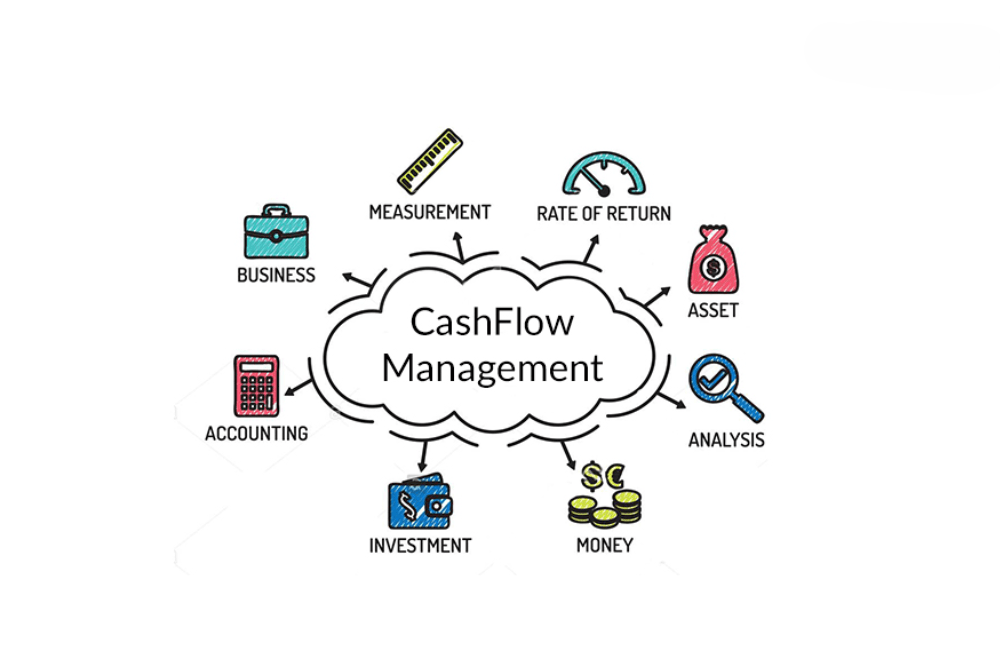
Canadian businesses are navigating one of the most challenging economic environments in recent years. With GDP growth projected at just 1.25% for 2025, unemployment rising to 7.1%, and ongoing trade tensions creating widespread uncertainty, effective cash flow management has become the difference between survival and closure. Economic forecasters warn that 82% of Canadian businesses struggle to predict their cash flow 90 days ahead, leaving them vulnerable to financial shocks. Yet amid this turbulence, those who master cash flow fundamentals are not just surviving—they’re positioning themselves for growth when conditions improve.
Understanding Canada’s Economic Reality in 2025
The Canadian economy contracted by 0.4% in the second quarter of 2025, marking the largest quarterly decline in nine years outside the pandemic period. The Bank of Canada has responded by cutting its policy rate to 2.25%, down from previous highs, but monetary policy alone cannot undo the structural damage caused by trade disruptions with the United States.
Trade tensions have created severe ripple effects across multiple sectors. Steel, aluminum, and automotive industries have been particularly hard hit, with exports scaling back sharply even as U.S. tariffs and uncertainty weigh on business investment. The unemployment rate has climbed from 6.6% in February to 7.1% by September, with trade-exposed industries and regions bearing the brunt of job losses. Consumer inflation has moderated to around 2%, but 87% of small business owners have made personal sacrifices—including reducing their own salaries or delaying major life plans—just to keep their businesses operational.
Despite these headwinds, there are reasons for cautious optimism. Canada’s relatively favorable trade position with the United States, combined with supportive monetary policy and entrepreneurial resilience, provides a foundation for recovery. Small businesses that implement robust cash flow strategies now will be best positioned to capitalize on opportunities when the economy stabilizes.
Why Cash Flow Management Is Your Business Lifeline
Cash flow—the movement of money in and out of your business—is the oxygen that keeps operations running. Even profitable companies can collapse when cash stops flowing, which is why 29% of small businesses ultimately fail due to running out of money. The distinction is critical: profitability measures whether you’re making money on paper, while cash flow determines whether you can actually pay your bills, meet payroll, and invest in growth.
During economic downturns, cash flow management becomes exponentially more important. Late customer payments, rising costs, and unexpected expenses can create a domino effect that rapidly depletes reserves. Nearly 60% of Canadian small and medium-sized businesses report ongoing cash flow challenges, with established companies (operating 20+ years) still struggling at a rate of 48%.
The warning signs of cash flow problems often appear gradually before becoming critical. Watch for creditors lists that aren’t shrinking despite rising revenue, constant firefighting to cover weekly expenses, profit margins that fail to grow alongside sales, suppliers chasing payments more aggressively, and inventory levels rising faster than sales. Early detection gives you time to implement corrective strategies before reaching a crisis point.
Building a Robust Cash Flow Forecasting System
Accurate cash flow forecasting is the cornerstone of financial resilience, yet it remains one of the most underdeveloped capabilities in Canadian businesses. The key is moving beyond simple spreadsheets to a systematic approach that provides visibility into your financial future.
Implement rolling forecasts rather than static monthly projections. Rolling forecasts allow you to continually update your cash flow projections based on the latest information, creating a dynamic view of your financial runway. Most experts recommend maintaining at minimum a 13-week cash flow forecast that you update weekly, giving you sufficient advance warning of potential shortfalls.
Your forecasting methodology should combine multiple approaches depending on your needs. For short-term forecasting (next 30-90 days), use a direct method based on actual receipts and disbursements from your accounts receivable and payable ledgers. For longer-term projections (3-12 months), employ an indirect method using budgeted income statements and balance sheets to estimate future cash flows. This hybrid approach gives you both granular short-term accuracy and strategic long-term visibility.
Scenario planning is essential during uncertain times. Create multiple versions of your forecast based on different assumptions—best case, worst case, and most likely case. For each scenario, model how changes in key drivers would impact your cash position: What if a major customer delays payment by 60 days? What if tariffs increase your supplier costs by 15%? What if sales decline by 20%? These exercises help you prepare contingency responses before problems materialize.
Ensure your forecasts drill down to an appropriate level of detail. Modeling cash flows at a highly aggregated level produces poor results that aren’t useful for decision-making. Working at a finer level of granularity—by business unit, customer type, or payment method—produces more predictable results and gives insights into problem areas requiring remedial action. When payments from key customers form a large proportion of your accounts receivable, model them individually.
Optimizing Your Cash Conversion Cycle
The cash conversion cycle measures how long it takes to convert investments in inventory and other resources into cash from sales. Shortening this cycle is one of the most powerful ways to improve cash flow without requiring external financing.
Accelerate receivables collection by implementing stricter payment terms and following up early. The average days sales outstanding (DSO)—the time it takes to collect payment—should be a closely monitored KPI. Consider offering early payment discounts, such as 2% off if customers pay within 10 days instead of 30. While this reduces your revenue slightly, the improved cash flow often justifies the cost. Electronic payment options and automated invoicing systems can also speed up collection significantly.
Conduct credit checks on new customers before extending terms, especially for larger accounts. Poor credit histories predict late payments, and the short-term gain of making a sale rarely justifies the long-term cash flow pain of chasing delinquent accounts. For existing customers, monitor payment patterns closely—when a previously reliable customer starts paying late or requests extended terms, it’s an early warning sign requiring immediate attention.
Optimize your payment terms with suppliers by taking full advantage of the time you’re given. Don’t pay early unless there’s a meaningful discount that exceeds your cost of capital. Stretch payments to the end of agreed terms and negotiate longer terms where possible. Many suppliers will offer better terms to maintain relationships during economic uncertainty. Prioritize payments strategically based on due dates and supplier importance rather than invoice arrival order.
Inventory management presents another opportunity to free up cash. Money tied up in slow-moving inventory is essentially trapped capital that could be deployed elsewhere. Track turnover rates religiously and identify what’s moving slowly, then adjust reorder quantities based on real demand rather than optimistic projections. During economic downturns, resist the temptation to stock up excessively even if suppliers offer bulk discounts—the cash flow benefit of leaner inventory typically outweighs the per-unit savings.
Strategic Cost Management Without Cutting Muscle
Economic uncertainty demands a hard look at expenses, but indiscriminate cost-cutting can damage your ability to compete and grow. The goal is surgical precision—eliminating waste and inefficiency while protecting investments that drive revenue and customer value.
Start with a comprehensive expense audit. Run a fine-tooth comb through all spending categories, identifying redundancies, unused subscriptions, and opportunities to renegotiate vendor contracts. Many businesses discover they’re paying for software licenses or services they no longer use. Automate what you can to reduce labor hours without sacrificing quality.
Renegotiate everything. During economic downturns, your suppliers face their own pressures and may be willing to offer better terms to maintain relationships. This includes not just product suppliers but also service providers, landlords, and insurers. Approach these conversations collaboratively—you’re not trying to squeeze them, but rather finding mutually beneficial arrangements that help both parties weather difficult times.
Defer major capital expenditures unless they generate quick payback or are essential for operations. Repair existing equipment rather than replacing it when feasible. For necessary purchases, explore leasing or financing options that spread costs over time rather than requiring large upfront cash outlays. While leasing may cost more over the equipment’s lifetime, it preserves cash flow during critical periods.
Be strategic about staffing decisions. Avoid across-the-board salary cuts, which demoralize your team and risk losing top performers. Instead, assess workforce performance critically, eliminate unnecessary overtime, and consider flexible staffing arrangements. If reductions are unavoidable, focus on roles that don’t directly support revenue generation or customer service. Remember that rebuilding your team when conditions improve is expensive—severance costs, recruitment, and training for replacements can exceed the short-term savings from layoffs.
Building Your Financial Safety Net
Every Canadian business should maintain an emergency cash reserve equal to 3-6 months of operating expenses, yet many fall dangerously short of this target. A JPMorgan study found that 25% of small businesses held reserves covering fewer than 13 days of operations—a precarious position that leaves them vulnerable to any disruption.
Calculate your reserve target by generating cash flow statements for the past 12 months, identifying the months with the highest expenses, and totaling expenses for a period equal to your desired reserve (typically 3-6 months). This method accounts for seasonal variations and one-time expenses to create a realistic target. Some businesses prefer using profit and loss statements for simplicity, but cash flow statements provide more accurate results.
Build your reserve systematically by depositing a percentage of profits regularly until you reach your target. The exact percentage depends on your circumstances—businesses with volatile cash flows should allocate more aggressively than those with steady, predictable revenue. Keep these reserves in a separate, dedicated account to avoid the temptation of dipping into them for non-emergency purposes. High-interest savings accounts can help your reserves grow while maintaining liquidity.
Complement cash reserves with a business line of credit for additional flexibility. Lines of credit function like credit cards for businesses—you’re approved for a maximum amount and only pay interest on what you actually draw. This gives you a safety net for temporary cash flow gaps without the cost of borrowing funds you don’t need. During economic downturns, establish or increase your line of credit while you’re still in good financial standing, as access becomes more difficult once problems emerge.
Leveraging Government Support Programs
The Canadian government has expanded support programs in response to trade tensions and economic uncertainty. Understanding what’s available can provide crucial liquidity when you need it most.
The Canada Small Business Financing Program (CSBFP) remains a cornerstone option, offering government-guaranteed loans of up to $1.15 million to help finance assets like equipment, leasehold improvements, or real estate. The government guarantee reduces lender risk, which translates to better approval rates and lower interest rates for qualified businesses. Recent updates have streamlined application processes, making access easier for small enterprises.
Provincial programs offer targeted support based on regional needs. Ontario’s Economic Resilience Immediate Support provides tax deferrals and WSIB premium rebates to help businesses maintain operations. The Trade-Impacted Communities Program offers up to $500,000 for projects in areas affected by U.S. trade actions. Northern Ontario businesses can access up to $5 million through the Northern Ontario Heritage Fund for expansion and job creation initiatives.
Lower interest rates have made borrowing more affordable, with the Bank of Canada’s policy rate at 2.25% and expectations of further stability. This creates opportunities to refinance existing higher-rate debt or access new financing for strategic investments at more favorable terms. Take the longest possible amortization period on loans to minimize each payment and preserve flexibility, but make extra payments during strong cash flow periods to reduce total interest costs.
Tax Planning as a Cash Flow Strategy
Strategic tax planning delivers immediate cash flow benefits while reducing overall liabilities. The timing of income recognition and expense deduction creates opportunities to optimize your cash position throughout the year.
Defer income to future tax years when appropriate, especially if you expect lower tax rates ahead or anticipate larger deductions in the coming period. For businesses using accrual accounting, delaying the issuance of invoices until early January rather than late December pushes the tax liability forward a full year. Conversely, accelerate deductible expenses by purchasing necessary equipment or supplies before year-end to claim the deduction immediately.
Maximize capital cost allowance (CCA) claims by timing asset purchases strategically around your fiscal year-end. The CCA allows businesses to deduct the cost of equipment, vehicles, and other capital assets over time according to prescribed rates. Year-end purchases can generate immediate deductions that improve cash flow by reducing the current year’s tax bill.
Work with a qualified accountant to optimize your compensation structure between salary and dividends. The optimal mix depends on your personal tax situation, business structure, and Canada Pension Plan considerations, but proper planning can generate significant savings. Consider installing installment payments to the CRA to avoid large lump-sum tax bills that strain cash flow.
Navigating Pricing Strategies in Uncertain Markets
Economic downturns trigger predictable changes in consumer behavior—76% of consumers adjust their shopping habits during recessions, with many trading down to less expensive alternatives. However, panic-driven price cuts often do more harm than good. Strategic pricing requires understanding your customers’ value perceptions and adjusting thoughtfully rather than reactively.
Focus on value-based pricing that highlights the benefits your product or service delivers relative to its cost. During recessions, customers scrutinize purchases more carefully, making it essential to articulate clearly how your offering solves problems or creates value. Products and services viewed as essential or offering strong ROI are much more resistant to cuts than “nice-to-have” luxuries.
Implement tiered pricing options that cater to different budget levels. By offering basic, standard, and premium versions, you can retain price-sensitive customers who might otherwise defect while maintaining higher margins on customers willing to pay for added value. Streaming services successfully use this approach during downturns, promoting lower-tier plans with fewer features at reduced prices.
Consider temporary promotions rather than permanent price reductions to stimulate demand without permanently lowering customer expectations. Time-limited discounts, bundle offers, or early payment incentives can drive short-term cash flow improvements while preserving your underlying pricing structure. However, avoid excessive discounting that trains customers to expect lower prices or devalues your brand.
Don’t make across-the-board pricing changes—evaluate each product and customer segment individually. Some offerings may command price increases if they’re in high demand or provide essential functionality, while others may require strategic discounts to remain competitive. Monitor competitor actions closely, but don’t automatically match their moves—focus instead on differentiating based on value, service, or other non-price factors.
Revenue Diversification as Risk Mitigation
Relying heavily on a single revenue source, customer, or market creates vulnerability during economic disruptions. Revenue diversification spreads risk while creating new growth opportunities that can offset declines in core business areas.
Expand your product or service offerings by identifying complementary additions that leverage existing capabilities. A digital marketing agency might add brand strategy consulting; a software company could offer training services; a manufacturer might provide maintenance contracts. The key is building on strengths rather than venturing into completely unfamiliar territory where you lack competitive advantage.
Introduce subscription or recurring revenue models wherever feasible. Subscriptions create predictable, recurring income that smooths cash flow volatility and increases customer lifetime value. Even traditionally transactional businesses can often find opportunities—equipment manufacturers might offer preventive maintenance subscriptions, consultants could package ongoing advisory services, and retailers might create subscription boxes for consumable products.
Enter new markets or customer segments to reduce concentration risk. If 25% of your revenue comes from a single customer, developing additional relationships becomes critical. Geographic expansion, whether through new physical locations or e-commerce channels, can diversify revenue across regions and reduce exposure to local economic conditions.
Develop digital revenue streams that scale efficiently. Online courses, e-books, digital tools, and other information products typically have low marginal costs and can reach global audiences. These offerings complement physical products or services while creating income that doesn’t require proportional increases in costs or capacity.
Customer Retention: Your First Line of Defense
Acquiring new customers costs 25 times more than retaining existing ones, making retention the most cost-effective growth strategy during economic uncertainty. Yet many businesses neglect their current customer base while chasing new prospects—a mistake that becomes costly when budgets tighten and competition intensifies.
Enhance your core value proposition by doubling down on the fundamental benefits that attracted customers initially. During tough times, customers scrutinize every expense, asking “What am I really getting for this money?” If your answer is unclear or unconvincing, you’re vulnerable to cancellation. Focus relentlessly on delivering the essential features and services that solve your customers’ most pressing problems.
Build emotional connections that transcend purely transactional relationships. Regular communication, personalized service, exclusive content for existing customers, and genuine interest in their success create loyalty that survives budget pressures. Customers who feel valued and understood are far less likely to leave when forced to cut spending.
Offer flexible payment options that accommodate temporary financial strain. Payment plans, pause options that let customers suspend service temporarily, or downgrade paths to less expensive tiers can prevent cancellations while preserving the relationship. These customers often upgrade again when their situation improves, making flexibility a wise investment.
Monitor customer health metrics proactively to identify at-risk accounts before they churn. Watch for changes in purchase patterns, declining engagement, payment delays, or reduced usage of your services. Early intervention by customer service teams can address concerns and demonstrate commitment to the relationship, often preventing departures that seemed inevitable.
Key Financial Metrics to Monitor Relentlessly
What gets measured gets managed—tracking the right financial KPIs provides early warning of problems and guides strategic decisions. Focus on metrics that offer actionable insights rather than vanity numbers that look good but don’t drive behavior.
Cash runway calculates how many months your current cash reserves will last at your current burn rate. This metric becomes critical during downturns—if you’re showing less than six months of runway, immediate action is required to either increase cash inflows or reduce outflows. Update this calculation weekly during uncertain periods.
Days sales outstanding (DSO) measures the average time it takes to collect payment after a sale. Rising DSO indicates customers are taking longer to pay, which strains cash flow and may signal financial stress among your customer base. Industry benchmarks vary, but any upward trend deserves immediate attention. Similarly, days payable outstanding (DPO) tracks how long you’re taking to pay suppliers—increasing DPO may provide short-term relief but can damage supplier relationships if pushed too far.
Gross profit margin and net profit margin reveal whether you’re maintaining pricing power and controlling costs. Declining margins while revenue grows suggests you’re buying sales through excessive discounting or failing to manage cost inflation—both unsustainable patterns that eventually create cash flow problems.
Current ratio (current assets divided by current liabilities) and quick ratio (current assets minus inventory divided by current liabilities) measure your ability to meet short-term obligations. Ratios below 1.0 indicate potential liquidity problems—you may not have sufficient assets to cover upcoming liabilities. During economic uncertainty, maintain ratios well above 1.0 to provide a buffer against unexpected challenges.
Burn rate tracks how quickly you’re spending cash, particularly relevant for businesses operating at a loss or heavily investing in growth. Understanding your burn rate alongside your cash reserves lets you calculate runway and make informed decisions about when additional financing or cost reductions become necessary.
Creating Your Financial Contingency Plan
Hope is not a strategy. A comprehensive contingency plan identifies your worst-case scenarios, their potential impact, and predetermined responses you’ll implement if they materialize.
Identify your top 5-6 realistic risks that could significantly disrupt your business. These might include losing your largest customer, supplier bankruptcy, key employee departure, sharp economic downturn, regulatory changes, or competitive disruption. For each risk, assess both likelihood and potential severity to prioritize your planning efforts.
Develop specific action plans for each priority risk. What exactly would you do if Risk X occurred? Which costs would you cut first? Which assets could you liquidate quickly? What alternative suppliers exist? How would you communicate with customers and employees? Document these responses in advance so you can execute rapidly rather than scrambling to develop strategies during a crisis.
Establish clear activation triggers that determine when you implement contingency plans. “When cash reserves fall below three months of operating expenses” or “if our largest customer reduces orders by more than 30%” create objective thresholds that remove emotion from critical decisions. Activation authority should be clearly defined—who makes the call to implement various contingency measures?
Review and update your plan quarterly as conditions change. Risks evolve, new threats emerge, and your business capabilities shift over time. Regular reviews ensure your contingency planning remains relevant rather than becoming a dusty document that provides false comfort.
Taking Action Today
Economic uncertainty has become the new normal for Canadian businesses. The combination of trade tensions, modest GDP growth, elevated unemployment, and persistent cost pressures creates challenges that will continue through 2025 and potentially beyond. Yet within these challenges lie opportunities for businesses that act decisively.
Start by implementing a rolling 13-week cash flow forecast this week. This single step will give you visibility into your financial future and provide advance warning of problems. Audit your receivables and identify customers who are stretching payment terms—implement stricter collection processes and consider credit holds for seriously delinquent accounts.
Calculate your emergency reserve target and commit to building it systematically. Even if you can only allocate 5% of profits initially, starting the process creates momentum and discipline that compounds over time. Open a separate account for reserves to prevent commingling with operating funds.
Review your pricing strategy through the lens of value rather than just cost. Are you clearly articulating the benefits you deliver? Could tiered options serve more customer segments? Where can you increase prices on products or services that provide exceptional value? Thoughtful pricing adjustments generate immediate cash flow improvements without requiring operational changes.
Explore available government support programs to understand what resources you could access if needed. Applications take time, so starting the process before you’re desperate improves approval odds and gives you options when challenges intensify.
Most importantly, commit to making cash flow management a weekly discipline rather than a monthly review. The businesses that survive and thrive through uncertain times are those that maintain constant vigilance, identify problems early, and respond decisively rather than hoping things improve on their own.
Canadian business owners are among the most resilient entrepreneurs in the world—87% have already made personal sacrifices to keep their businesses running, yet 55% report feeling more resilient now than before 2025. This resilience, combined with smart cash flow strategies, positions you not just to weather the current storm but to emerge stronger when conditions improve. The question is not whether the economic uncertainty will pass—it will—but whether your business will be positioned to capitalize on the recovery when it arrives.

Leave a Reply