

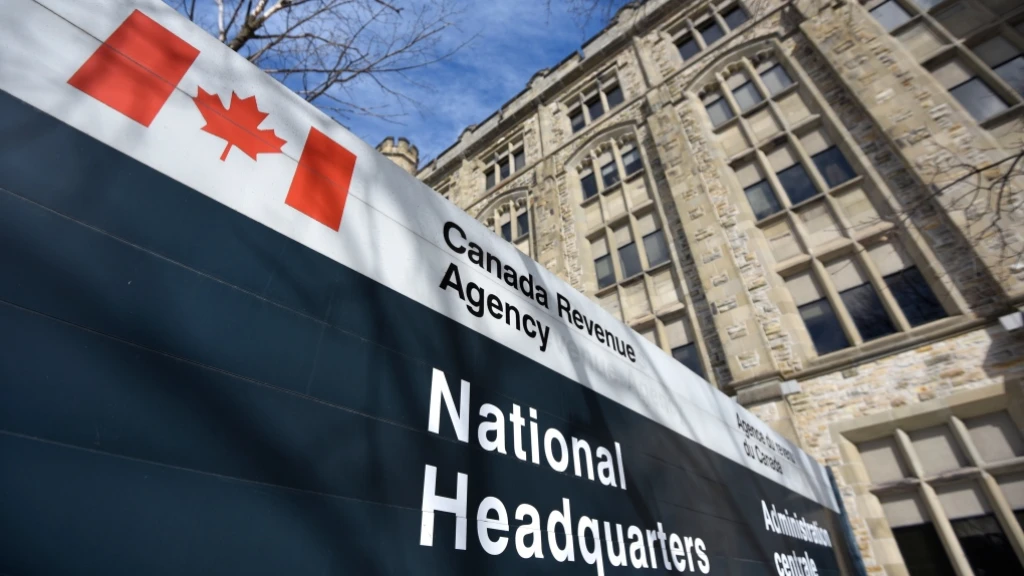
Small businesses in Canada face ongoing scrutiny from the Canada Revenue Agency (CRA), and understanding what triggers an audit is crucial for staying compliant. Common audit triggers include inconsistencies in reporting income, errors in GST/HST setup, late payroll remittances, and inadequate documentation. Avoiding these red flags helps reduce the risk of an audit.
Many audits result from patterns or mistakes in tax returns that raise suspicion, rather than random selection. Keeping accurate records, filing taxes on time, and ensuring all information matches can prevent unnecessary attention from the CRA. Small business owners who know the key triggers can better protect their operations and avoid penalties.
Being aware of what the CRA monitors most closely allows businesses to manage their tax affairs more effectively. Implementing best practices for bookkeeping and tax reporting is essential to minimize the chance of an audit and maintain peace of mind.
Understanding CRA Audits
A CRA audit examines financial records to verify that income, expenses, and tax obligations are reported correctly. Audits may start due to specific triggers, and various audit types exist depending on the business’s situation. The process involves several steps designed to ensure compliance and resolve discrepancies efficiently.
What Triggers a CRA Audit
Common triggers include significant discrepancies in reported income versus industry standards, large or unusual deductions, and inconsistent reporting across tax returns. The CRA often flags businesses with poor record-keeping, late or missing payroll remittances, and improper GST/HST handling.
Other red flags are frequent losses claimed without clear justification or sudden changes in reported income. Non-compliance with payroll tax regulations and repeated errors can also increase audit risk. Keeping accurate, timely, and complete documentation is critical to avoid these triggers.
Types of CRA Audits
CRA audits generally fall into three types:
- Desk Audit: Conducted remotely, usually involving document requests and review without site visits.
- Field Audit: A thorough examination at the business premises, inspecting records and operations.
- Random/Selective Audit: Selected from a pool for routine compliance checks without specific triggers.
The type depends on the perceived risk and the nature of the discrepancies. Small businesses often face desk audits, while more complex or suspicious cases may lead to field audits.
Audit Process Overview
The audit begins with formal notification describing the scope and required documents. The CRA requests specific records such as financial statements, receipts, and payroll records. The taxpayer must respond promptly to avoid penalties.
During the audit, the CRA reviews and may question items. If discrepancies are found, adjustments or reassessments follow. The business can respond with explanations or appeal decisions. Maintaining open communication and thorough documentation throughout the process is essential.
Common CRA Audit Triggers for Small Businesses
Certain patterns in bookkeeping and tax filings can prompt the CRA to take a closer look at a small business. Inconsistencies, unusually high expense claims, or income discrepancies are common issues that draw attention during audits.
Unusual Deductions
Claiming deductions that deviate significantly from industry norms raises red flags. For example, claiming 100% business use of a vehicle without detailed logs can trigger scrutiny. The CRA expects clear and consistent records like mileage logs that show the date, destination, purpose, and distance for each business trip.
Deducting expenses unrelated to the business or personal expenses disguised as business costs can also invite an audit. Documentation is crucial. Every deduction should be supported by receipts or contracts that clearly tie the expense to business operations.
Large Business Expense Claims
Repeatedly reporting large expenses relative to the declared income is a frequent audit trigger. High claims on meals, entertainment, or home office expenses need to be reasonable and justifiable. For instance, claiming large meal expenses without receipts or clear business purposes may lead the CRA to question the legitimacy.
Businesses reporting continuous or multiple years of large losses may also attract scrutiny. The CRA verifies if the business genuinely operates with a profit motive. Maintaining organized records and staying within expected expense ranges minimizes risk.
Significant Income Discrepancies
Inconsistencies between reported income and third-party information sources such as bank deposits or client reports often trigger audits. A business reporting significantly lower income than industry standards or showing unexplained fluctuations can prompt a review.
Underreporting cash sales or failing to declare all income leaves a clear audit trail. Accurate and complete income reporting is essential. Implementing reliable bookkeeping systems helps ensure all earnings are properly recorded and reduces audit risk.
Risk Factors Involving Payroll and Employee Reporting
Proper payroll and employee reporting are essential to avoid triggering a CRA audit. Errors in classification, withholding, or benefits reporting can lead to penalties and additional scrutiny.
Misclassification of Contractors
Misclassifying employees as independent contractors is a common risk. The CRA looks closely at the nature of the working relationship, not just the contract terms.
If a worker’s activities, control over their work, and integration into the business resemble employment, the CRA may reclassify them as employees. This can result in retroactive payroll taxes, interest, and penalties.
Businesses should review their contractor agreements and working arrangements carefully. Written contracts alone do not guarantee correct classification. Factors like who controls the work schedule and who provides tools and equipment matter most.
Incorrect Payroll Withholdings
Incorrectly calculating or remitting payroll deductions is a frequent issue in CRA audits. Employers must withhold and remit Canada Pension Plan (CPP) contributions, Employment Insurance (EI) premiums, and income tax accurately.
Failure to do so can lead to reassessments and penalties. The CRA expects timely remittances; late payments increase audit risk.
Employers should maintain precise payroll records and regularly reconcile their deductions. Using certified payroll software or working with a qualified accountant reduces errors and keeps calculations compliant.
Unreported Employee Benefits
Employee benefits, such as allowances, gifts, or reimbursements, must be properly reported on T4 slips. The CRA considers many benefits taxable income unless specifically exempted.
Failing to report these benefits fully can trigger an audit or reassessment. Common examples include personal use of a company vehicle or gift cards.
Employers should document all benefits and understand the tax treatment of each. Accurate reporting avoids surprises and supports compliance during CRA reviews.
GST/HST-Related Triggers
Errors or inconsistencies in GST/HST filings and repeated refund requests are among the most common reasons the CRA targets small businesses for audits. These issues can signal problematic accounting practices or potential non-compliance, prompting the agency to investigate more closely.
Inconsistent GST/HST Filings
Inconsistent GST/HST filings occur when reported sales or input tax credits don’t align with other financial information, such as income tax returns or corporate financial statements. For example, if sales figures reported on GST/HST returns are significantly higher or lower than those on income tax filings, the CRA flags this mismatch.
Small businesses should ensure their bookkeeping records match across all filings. Keeping accurate invoices, receipts, and documentation is critical. Even simple data entry errors or rushed preparations can trigger an audit by raising suspicion about the accuracy of the returns.
Frequent Refund Requests
Repeatedly claiming GST/HST refunds, especially when not supported by solid documentation, can increase the risk of a CRA audit. Businesses that frequently request large or unusual refunds might attract extra scrutiny.
To avoid this, claims for input tax credits should be well-supported with valid receipts and invoices. Filing refund claims consistently and accurately over time reduces red flags. Businesses should also review their GST/HST calculations regularly to prevent mistakes that lead to unnecessary refund requests.
Red Flags in Record-Keeping and Documentation
Accurate record-keeping is essential to avoid drawing attention from the CRA. Missing or unclear documents create gaps that suggest errors or inconsistencies, increasing audit risk. Maintaining thorough, organized records reduces this threat.
Incomplete Financial Records
Incomplete financial records often signal disorganization or potential misreporting. Missing entries, unbalanced ledgers, or unexplained discrepancies in cash flow raise concerns. The CRA expects detailed, consistent records for all income and expenses.
Business owners should track every transaction, reflecting dates, amounts, and relevant parties. Omissions—such as failing to record certain sales or expenses—can lead to penalties. Periodic internal reviews help identify and correct omissions, ensuring completeness.
Using accounting software or hiring professional help improves accuracy. Records should reconcile with bank statements and tax filings, leaving no unexplained gaps. Lack of this alignment is a common red flag.
Missing Receipts or Supporting Documents
Receipts and supporting documents validate claims made on tax returns. Without these, expenses may be viewed as questionable or personal, prompting further scrutiny.
Properly stored, legible receipts allow for clear verification of deductions and credits. Failing to keep receipts for major purchases, travel, or business supplies often triggers audits.
Digital copies are acceptable if they are clear and backed up. It is critical to organize documents by date and category, making them easy to retrieve during reviews. Businesses that neglect this risk losing deductions or facing reassessments.
Key points to remember:
- Retain all original or digital receipts matching financial records.
- Organize supporting documents consistently.
- Avoid relying on memory or unverified summaries only.
These practices demonstrate transparency and help avoid unnecessary CRA attention.
Industry-Specific Audit Triggers
Certain industries attract more scrutiny due to their cash flow nature and inherent risks. Specific patterns in these sectors can raise red flags with the CRA, especially when documentation or reporting appears inconsistent.
Cash-Based Businesses
Businesses that primarily deal in cash, such as restaurants, convenience stores, and small retail shops, face higher audit risks. The CRA pays close attention to cash transactions because they are harder to track and easier to underreport.
Common triggers include:
- Incomplete or missing sales records
- Discrepancies between reported income and bank deposits
- Lack of proper receipts or invoices
Proper bookkeeping, consistent tracking of cash flow, and reconciling cash sales with bank deposits reduce the risk of audit. Using point-of-sale systems and issuing receipts regularly also help demonstrate accurate reporting.
High-Risk Sectors
Certain industries naturally experience more CRA scrutiny due to complexity or prevalence of fraud. These sectors often include construction, transportation, and hospitality.
Key issues in these sectors are:
- Inconsistent mileage or vehicle expense claims
- Unusual fluctuations in reported income
- Frequent or excessive expenses that don’t match business activity
The CRA expects detailed records such as mileage logs and invoices that justify expenses. Businesses should also avoid claiming 100% business use of vehicles without evidence. Transparency and detailed documentation help these sectors avoid audit triggers.
Best Practices to Avoid a CRA Audit
Small businesses can reduce their audit risk by focusing on consistent financial discipline and compliance. Maintaining clear documentation and meeting deadlines are key steps.
Accurate Record-Keeping
Keeping detailed and organized records is crucial for small businesses. Every invoice, receipt, and financial transaction should be documented accurately and stored systematically. This practice helps verify income and expenses during CRA reviews.
Using accounting software can streamline record-keeping, ensuring all entries are consistent and error-free. Records should cover all business activities, including sales, purchases, payroll, and taxes paid.
The CRA looks for discrepancies between reported income and actual earnings. Proper documentation reduces red flags, making it easier to respond if questioned. Businesses should retain records for at least six years, as required by the CRA, to support any audit inquiries.
Timely Filing and Payments
Submitting tax returns and payments on time is essential to avoid penalties and audit attention. Late filings or missed payments can increase scrutiny and raise audit risk.
Small businesses should establish internal deadlines ahead of CRA due dates. Automating reminders or using professional services can ensure compliance.
Payments — including GST/HST, payroll deductions, and income taxes — must be accurate and punctual. Partial or late payments often trigger CRA follow-ups.
Maintaining a consistent filing schedule demonstrates reliability. It helps build a clear tax history that is less likely to attract audits.
Responding to an Audit Notice
When a small business receives an audit notice from the CRA, it is crucial to act promptly and methodically. The notice will outline the areas under review and provide deadlines for responding. Ignoring the notice can lead to penalties or reassessments.
The business should first review the audit letter carefully to understand what documentation is needed. Common requests include financial statements, receipts, bank records, and tax returns. Organizing these documents clearly can help streamline the process.
It is advisable to communicate with the CRA respectfully and keep a record of all correspondence. If any information is unclear or challenges arise, the business may consider seeking advice from a tax professional or accountant experienced with CRA audits.
During the audit, accuracy and transparency are essential. Avoid providing unnecessary information that is not requested. Instead, focus on responding directly to the CRA’s questions while ensuring that the information supplied is complete and truthful.
If discrepancies are identified, the CRA may issue a reassessment. In such cases, businesses have the right to appeal or request a review. Understanding deadlines for appeals is important to maintain recourse options.

Leave a Reply