

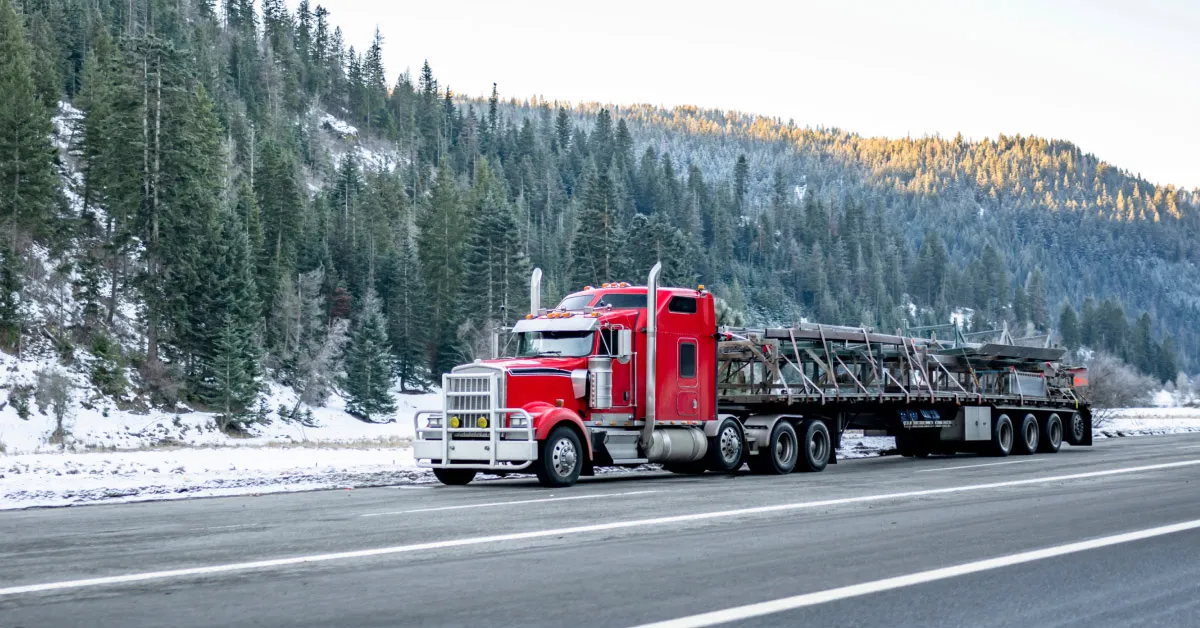
You or your drivers spend long hours on the road and every dollar you can legitimately claim matters this guide shows how to use the TL2 form to capture meal and lodging expenses correctly and maximize what you can deduct.
Follow clear steps on what qualifies, how to track trips and supporting receipts, and how to involve your employer so your TL2 entries stand up to CRA review. Use the TL2 properly, keep accurate travel logs, and submit complete documentation to reduce your taxable income without risking a denial.
Understanding TL2 Meal and Lodging Claims
TL2 lets you deduct meal, lodging, and related travel costs you paid while working away from your tax home. You must meet specific employment and travel conditions and keep accurate records to support claims.
Eligibility Criteria for TL2 Deductions
You qualify if you are an employee of a transport business (for example, long-haul truck driver, railway worker, bus operator) and you are required to pay for your own meals or lodging while away from home on work. Your employer’s main business should be transporting goods or passengers; however, you may still qualify if transport duties are regular and central to your role even when the employer’s primary business differs.
You must be travelling away from your “tax home” for employment duties. Short local trips that don’t require you to sleep or eat away from home generally do not qualify. If your employer reimburses you for meals or lodging, subtract that reimbursement from your TL2 claim. The simplified meal method may apply in some cases, but specific eligibility rules and distance/time thresholds affect that option.
Types of Allowable Expenses
You can claim reasonable costs for meals, lodging, and certain related items incurred while working away from home. Typical allowable items include restaurant meals, motel or hotel charges, and shower fees where applicable. You may also include GST/HST or provincial sales tax paid on those costs.
Do not claim personal or non-work-related expenses. Alcohol, personal entertainment, and companion costs are excluded. If you use the simplified method for meals, receipts may not be required, but the method limits eligible amounts and you must still document the travel dates and purpose.
Documentation and Recordkeeping Requirements
Keep a TL2 form or equivalent log that details dates, locations, purpose of travel, and amounts paid for meals and lodging. Save receipts for each expense unless you use a permitted simplified meal method that explicitly waives receipts; even then maintain a travel log showing days away from home and reasons.
Records must show employer reimbursements and any amounts you claim on your tax return. Retain documents for the CRA retention period (normally six years) in case of review or audit. Use clear, dated entries and group expenses logically to simplify year-end reporting and to substantiate every claimed amount.
Maximizing Deductions for Meals
Focus on the specific daily limits, the allowable calculation methods, and common recordkeeping errors that reduce your TL2 claims. Knowing exact rates, documentation rules, and when to use flat per diems versus actual receipts will save tax dollars.
Daily Maximum Rates and Limitations
The Canada Revenue Agency sets maximum daily meal amounts you can claim on a TL-2. You must use the current prescribed rates for the year you file; over claiming above those rates will be denied.
If you receive an employer provided meal allowance, you can only claim the difference between the allowance and the CRA daily maximum if the allowance is included in your income.
Partial days matter: if you’re away for only part of a travel day, prorate the meal amount according to CRA guidance rather than claiming a full day.
Remember provincial sales tax and GST/HST on meals can be included in the claim, keep itemized receipts showing tax paid.
Methods for Calculating Meal Expenses
You can claim actual costs (with receipts) or use the CRA’s simplified per diem/allowance method when permitted.
Actual-cost method requires original, itemized receipts for each meal and proof you were working away from your home base. This method often yields higher claims when you incur expensive meals.
Per diem simplifies bookkeeping: use the CRA-approved flat rate for each eligible travel day and skip individual receipts. Use this only when it’s equal to or more advantageous than actual costs.
Document which method you used each trip, and don’t mix methods for the same travel day.
Common Mistakes to Avoid
Failing to prove you were “away from home” for the required time is the top reason claims get rejected. Keep trip logs showing start/end times, client locations, and distances.
Using non-itemized or credit-card-only summaries without vendor details risks denial. Always get itemized receipts showing date, vendor, amount, and taxes.
Claiming personal meals or entertainment as business meals creates audit triggers. Separate personal expenses and never claim meals for days you were home.
Neglecting to reconcile employer allowances with your TL-2 claim causes duplication. Report allowances correctly and subtract any taxable employer-paid amounts from your claim.
Maximizing Deductions for Lodging
You can deduct reasonable lodging costs when you work away from your tax home and meet CRA transport-employee rules. Focus on documenting dates, location, and business purpose to support TL2 claims.
Qualifying Lodging Expenses
You may claim hotel, motel, short-stay rental, and approved campground fees when you are away from home for work as a long‑haul driver. Include GST/HST and provincial sales tax in the amounts you claim. Shower fees charged separately at rest stops or truckstops are also eligible when they are incurred during qualifying travel days.
Keep itemized receipts showing: date, vendor name, amount, and location. If your employer reimburses part of a stay, claim only the unreimbursed portion. Do not claim personal stays (home visits, family trips) or expenses for passengers unless those amounts relate directly to transporting goods or passengers and meet CRA criteria.
Reasonableness Tests and CRA Expectations
CRA expects amounts to be reasonable for the location and circumstances. A downtown Toronto hotel charge will be scrutinized more than a modest motel near a highway exit. Document why a higher rate was necessary (late arrival, no safe parking, mandatory rest due to hours-of-service rules).
Use consistent recordkeeping: trip logs, dispatch records, and receipts linked to specific workdays. If you use a nonstandard lodging (short‑term rental, corporate housing), note business necessity and days used for work. Expect the CRA to disallow claims lacking supporting documentation or showing irregular patterns of high nightly costs.
Travel Logs and Supporting Documentation
Keep accurate, contemporaneous records that show where you traveled, why the trip was business-related, and the expenses you paid. Proper logs and receipts protect your TL2 claims and reduce the risk of CRA reassessment.
Required Details in Logs
You must record the date, start and end locations, and purpose for every trip day you claim. Note the odometer readings or distance traveled for each leg CRA accepts either total daily kilometers or trip by trip distances if consistent.
Include the client or delivery name, time you left and returned, and whether the day was short-haul or long-haul work. If you cross provincial or international borders, record entry/exit points and dates. Keep the log for at least six years from the tax year to which it applies.
Digital or paper logs are fine, but ensure entries are unalterable or time-stamped. If you use GPS or an app, export monthly summaries and save CSV/PDF copies.
Best Practices for Expense Documentation
Retain original receipts for meals, lodging, showers, and incidental costs; annotate each with the trip date and reason. When an employer reimburses amounts, keep the reimbursement record and net your claim accordingly on the TL2.
Use a consistent filing system: folders (digital and physical) organized by month and trip. Scan receipts immediately store them with backup copies and name files so they match log dates (e.g., 2026-03-10_Pepsi-Receipt).
For meal per diems or employer allowances, keep employer statements showing the allowance method and amounts. If you mix personal and business travel, keep separate logs and receipts to support the business-only portion.
Filing and Compliance for Trucking Professionals
You must track deadlines, file required forms, and keep supporting records that justify TL2 meal and lodging claims. Accurate reporting, consistent logs, and timely responses to the CRA reduce audit risk and penalty exposure.
Timelines and Deadlines
File T1 or T2 returns by the standard due dates: April 30 for most individuals and six months after year-end for corporations, with tax balances due on the regular deadlines. If you or your spouse are self employed, the filing deadline extends to June 15, but any tax owing is still due April 30.
Submit TL2 claims with your annual return and keep the TL2 form and receipts for at least six years, per CRA record-retention rules. If you operate as an employer claiming employee TL2 amounts, prepare and issue T4 slips and related summaries by the end of February following the calendar year. Missed T4/T4A reporting can trigger reinstated penalties, so confirm reporting for fees-for-service and contractor payments before the deadlines.
Use electronic filing when possible to meet deadlines and obtain instant confirmation. Set calendar reminders for quarterly GST/HST returns and instalment payments if your business requires them.
Handling CRA Audits and Reviews
If CRA opens a review, respond within the timelines specified in their notices. Provide organized documentation: TL2 forms, daily travel logs, trip itineraries, meal receipts, lodging invoices, and employer confirmations showing you were away from home for work.
Focus documentation on the three CRA criteria for travel deductions: employment related travel status, distance/time away from home, and actual expenses incurred. For owner-operators, include dispatch records, delivery manifests, and fuel and maintenance logs to corroborate travel dates and locations.
When questioned about worker classification or T4A reporting, produce contracts, payment records, and supervision/independence evidence. Consider consulting a tax professional experienced with trucking audits to prepare written explanations and negotiate any adjustments or relief from penalties.
Ready to Drive Your Tax Savings Further?
Don’t let complex CRA rules or missing receipts cost you thousands. At GT Financial INC, we specialize in the trucking industry, helping drivers and fleet owners in Canada maximize their TL2 claims while staying 100% audit-ready.
Let us handle the paperwork and accounting so you can stay focused on your work.
- 📞 Call us: 647-294-1525
- 📧 Email: info@gtfi.ca

Leave a Reply